
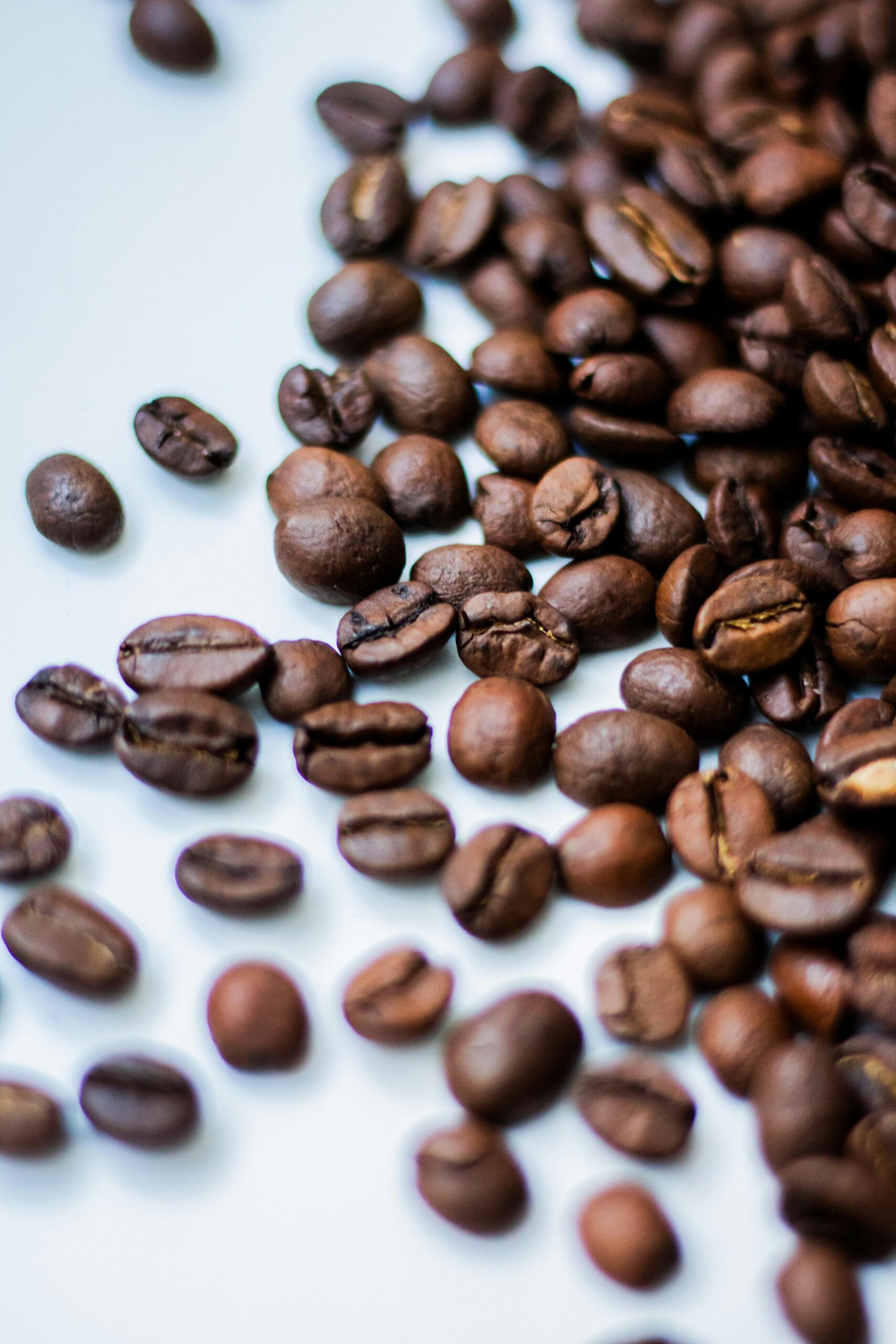
Types of Coffee Beans Explained: Discover the Flavor Profiles That Will Transform Your Cup
Coffee: it’s more than just a morning ritual; it’s an experience! Whether you’re sipping a delicious espresso or brewing a comforting cup of drip coffee, understanding the types of coffee beans can significantly enhance your appreciation. In this article, we’ll explore the different varieties of coffee beans, revealing their unique flavor profiles that will transform your cup.
The Coffee Bean Basics
Before diving into the types of coffee beans, let’s familiarize ourselves with a few key concepts. Coffee is derived from the seeds of the Coffea plant, which produces the coffee cherries we all know and love. When roasted, these seeds (or beans) present a spectrum of flavors, aromas, and nuances—all stemming from their origin, processing method, and roasting technique.
The three main types of coffee beans are Arabica, Robusta, and Liberica. Let’s break these down further!
1. Arabica Coffee Beans
Flavor Profile: Smooth, sweet, and often fruity or floral with high acidity.
Arabica coffee beans are the most popular and widely consumed type of coffee worldwide, accounting for about 60-70% of the global coffee market. Grown predominantly in high-altitude regions, Arabica beans thrive in cooler climates with ample rainfall. They tend to have a light to medium body and a complex flavor profile, often exhibiting notes of chocolate, caramel, and fruit.
Why Choose Arabica?
If you’re looking for a more refined coffee experience, Arabica beans might be your best bet. The sweet and well-balanced flavor can elevate your morning brew or serve as the perfect base for specialty drinks like lattes and cappuccinos.
2. Robusta Coffee Beans
Flavor Profile: Strong, bold, with a nutty or earthy taste and a woody finish.
Robusta coffee beans are famous for their resilience and high caffeine content, roughly double that of Arabica beans. Grown at lower altitudes and in hotter climates, Robusta beans are easier to cultivate, making them a popular choice for mass production. They typically have a stronger, more bitter flavor with less acidity compared to Arabica.
Why Choose Robusta?
If you’re searching for a coffee that packs a punch, Robusta is your friend! It’s often used in espresso blends to provide a rich crema and a robust flavor that stands out. Plus, its higher caffeine content can give you that extra boost on groggy mornings.
3. Liberica Coffee Beans
Flavor Profile: Fruitier and floral with a woody or smoky undertone.
Liberica coffee is less commonly known but offers a unique experience. These beans are typically grown in tropical regions and possess a distinctive, irregular shape. The flavor profile can be quite unusual, with some describing it as having a smoky or woody note—definitely a departure from the more familiar Arabica and Robusta.
Why Choose Liberica?
For the adventurous coffee drinker, Liberica can provide a fresh twist on your typical cup of joe. If you’re someone who enjoys exploring different flavors and is interested in unique coffee profiles, seeking out Liberica can be exciting.
Other Lesser-Known Varieties
While Arabica, Robusta, and Liberica are the primary types of coffee beans, let’s briefly touch on some exciting lesser-known varieties:
-
Excelsa: Considered a subspecies of Liberica, Excelsa beans are often used in blends to add a fruity and tart dimension to coffee. They’re known for their complexity and can enhance the overall flavor profile.
-
Catimor: A hybrid bean developed to withstand disease and adverse growing conditions, Catimor beans share characteristics of both Arabica and Robusta. This variety delivers a balanced taste with pleasant acidity.
How to Choose Your Coffee Beans
When choosing your coffee beans, consider the following:
-
Flavor Preference: Do you prefer a smooth and subtle flavor (Arabica) or a bold and robust kick (Robusta)?
-
Brewing Method: Different brewing methods harmonize with various beans. For example, espresso benefits from the boldness of Robusta, while pour-over methods highlight the nuances of Arabica.
-
Origin: Coffee beans from different countries exhibit varied flavor profiles. For instance, beans from Ethiopia are known for their fruity notes, while Colombian beans deliver a well-rounded taste with mild acidity.
FAQs about Coffee Beans
Q: How do I store my coffee beans?
A: To maintain freshness, store your coffee beans in an airtight container in a cool, dark place. Avoid refrigerating or freezing, as this can lead to moisture and flavor loss.
Q: Can I mix different types of coffee beans?
A: Absolutely! Combining different beans can create exciting blends that showcase the best of both worlds. Experiment and find your perfect mixture!
Q: What’s the best grind size for each coffee type?
A: Grind size varies depending on your brewing method. For espresso, a fine grind works best, while a coarse grind is more suitable for methods like French press.
Q: Do flavored coffees contain different types of beans?
A: Flavored coffees often use a base of Arabica beans but can vary depending on the roaster’s choice. The added flavors come from syrups or natural oils.
Conclusion
Understanding the types of coffee beans can profoundly impact your brewing experience. From the smooth and nuanced taste of Arabica to the bold and hearty notes of Robusta, each bean offers a different journey into flavor. Experiment with different types of coffee beans; you’ll surely discover a cup that transforms your daily coffee ritual.
So, whether you’re an aficionado or a casual drinker, knowing the types of coffee beans explained will enhance your appreciation for this beloved beverage. Flavor profiles matter—after all, coffee is more than a drink; it’s a celebration of taste! Cheers to your next perfectly brewed cup!
