
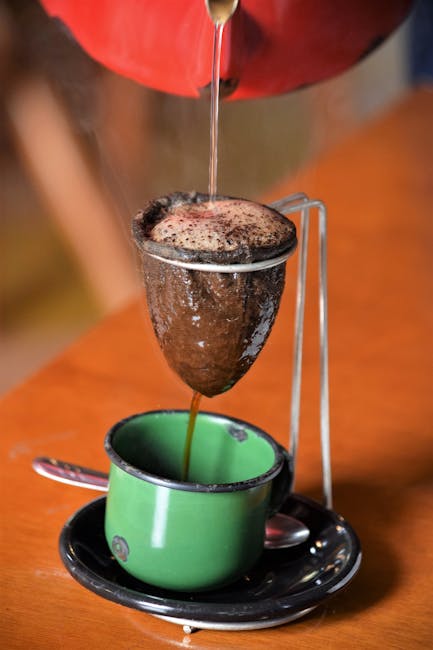
Coffee Explained for Beginners: A Comprehensive Guide to Your Morning Brew
When you hear the word “coffee,” what comes to mind? For many, it’s the rich aroma wafting from the kitchen, the soothing ritual of brewing, or the warm embrace of a freshly poured cup. But for beginners, coffee can be a mysterious world filled with jargon, bean varieties, and preparation methods. Fear not, coffee enthusiasts! In this article, we’ll explore Coffee Explained for Beginners: A Comprehensive Guide to Your Morning Brew so you can enjoy your favorite cup of joe with newfound confidence.
The Birth of Coffee: A Brief History
Let’s kick things off with a short backstory. Coffee is believed to have originated in Ethiopia, where legend has it that a goat herder named Kaldi discovered the invigorating effects of the coffee cherry when his goats became unusually energetic after eating them. From there, it traveled to the Arabian Peninsula and eventually made its way to Europe and beyond. Today, coffee is one of the most consumed beverages worldwide.
Different Types of Coffee Beans
Understanding coffee starts with knowing the different types of coffee beans. There are four primary varieties:
-
Arabica (Coffea arabica): Known for its smooth and milder flavor, Arabica beans represent about 60%-70% of global coffee production. They thrive at higher altitudes and require more attention in cultivation.
-
Robusta (Coffea canephora): This bean is stronger and has a higher caffeine content compared to Arabica. It has a more bitter taste and is often used in espresso blends due to its rich crema.
-
Liberica: Less common than Arabica and Robusta, Liberica beans have a unique floral and fruity profile, making them a rare treat for adventurous coffee drinkers.
-
Excelsa: Often used in blends, Excelsa is known for its distinctive tart and fruity flavors.
As a beginner, it’s important to note the bean type when selecting your coffee. For a smooth morning brew, Arabica is often the preferred choice.
Brewing Methods: Finding Your Perfect Cup
Once you understand the types of coffee beans, the next step in Coffee Explained for Beginners: A Comprehensive Guide to Your Morning Brew is picking a brewing method. Here are some popular ways to brew coffee:
-
Drip Coffee Maker: The most common household method, it uses a filter to make multiple cups of coffee at once. Simply add ground coffee to the filter and pour in water.
-
French Press: This method requires coarse coffee grounds. Steep the coffee in hot water for about four minutes, then press down the plunger to separate the grounds from the coffee.
-
Pour Over: This technique gives you control over the brewing time and water flow. You’ll need a special dripper, and it usually requires a fine grind for optimal extraction.
-
Espresso Machine: For those who crave a strong shot, an espresso machine compresses hot water through tightly packed coffee grounds to create a concentrated coffee.
-
Cold Brew: This method involves steeping coffee grounds in cold water for an extended period (usually 12-24 hours). The result is a smooth, caffeine kick without the acidity.
The Importance of Coffee Grind Size
One of the most critical aspects of brewing is the grind size. Coffee needs to be ground to a specific consistency depending on the method of brewing. Here’s a quick primer:
- Coarse: French Press, Cold brew
- Medium: Drip coffee maker, Pour Over
- Fine: Espresso
- Extra Fine: Turkish coffee
Choosing the right grind size can significantly affect the flavor and aroma of your coffee, making it essential knowledge in Coffee Explained for Beginners: A Comprehensive Guide to Your Morning Brew.
Timing and Temperature: The Perfect Brew
Once you have your beans and brewing method in place, let’s discuss timing and temperature.
-
Water Temperature: The ideal water temperature for brewing coffee is between 195°F to 205°F (90-96°C). Too hot, and you’ll extract undesirable bitterness; too cold, and you’ll get a weak brew.
-
Brewing Time: Different methods require varying brewing times. For instance, a French Press needs about 4 minutes, while Espresso only requires 20-30 seconds.
Storing Coffee: Keep It Fresh
Finally, let’s touch on the storage of your coffee. To keep your coffee fresh:
- Store it in an airtight container, away from light, heat, and moisture.
- Avoid buying pre-ground coffee; whole beans retain freshness longer.
- Consume your coffee within 2-4 weeks after roasting for the best flavor.
FAQs
1. What type of coffee is best for beginners?
For beginners, Arabica coffee is often recommended due to its smoother and milder flavor.
2. How do I choose the right brewing method?
It really depends on your taste and convenience! If you’re looking for a quick cup, a drip coffee maker is great. For a richer experience, try a French Press.
3. Is there a difference between light, medium, and dark roast?
Yes! Light roasts have a milder flavor with higher acidity, medium roasts balance acidity and sweetness, while dark roasts have a stronger, bolder taste, often with bitter notes.
4. Can I use flavored coffee beans?
Absolutely! Flavored coffee beans can add a unique twist to your morning brew. Just make sure to choose high-quality beans for the best experience.
Conclusion
As you navigate the wonderful world of coffee, remember that there’s no one-size-fits-all approach. From understanding different bean types to mastering brewing techniques, Coffee Explained for Beginners: A Comprehensive Guide to Your Morning Brew should arm you with the knowledge to enjoy unlimited coffee possibilities. The most important thing is to experiment and find what you love. So, grab your favorite mug, and enjoy brewing your perfect cup of coffee!
