
The Ultimate Guide to Arabica vs Robusta Coffee Beans: Discover the Best Brew for You
Coffee lovers around the world often find themselves in a heated debate: which coffee bean is superior, Arabica or Robusta? In this guide, we will delve deep into the world of coffee beans, exploring both Arabica and Robusta to help you discover the best brew for your taste buds. Whether you are a casual drinker or a coffee connoisseur, understanding the distinct features of these beans will significantly enhance your coffee experience.
Understanding Arabica Coffee Beans
Arabica coffee beans (Coffea arabica) are widely regarded as the premium choice among coffee aficionados. Here are some key features:
Flavor Profile:
Arabica beans tend to have a sweeter, softer taste with hints of fruit and sugar. They often exhibit complex flavor notes that many describe as floral or fruity, making them a popular choice for specialty coffees.
Growing Conditions:
Arabica beans thrive in high altitudes, typically between 2,000 and 6,000 feet. They prefer cooler climates and require careful cultivation, which contributes to their higher price point. They are primarily grown in Latin America, Africa, and parts of Asia.
Caffeine Content:
Arabica beans contain less caffeine than their Robusta counterparts—usually around 1.5% caffeine. While caffeine can provide a significant energy boost, those sensitive to it might prefer Arabica for its milder stimulant effects.
Shape and Size:
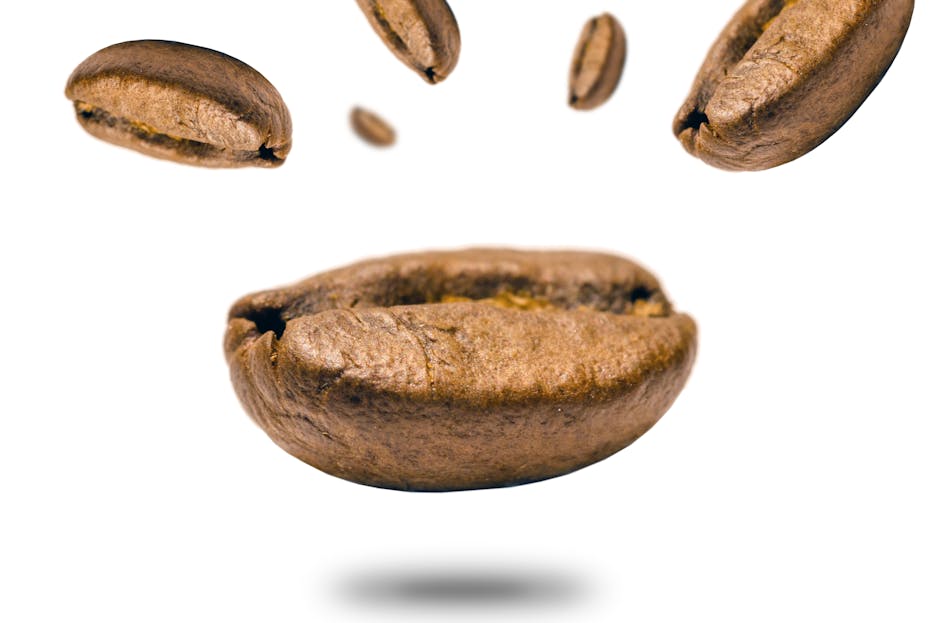
Arabica beans are oval-shaped with a curved crease, which makes them easily distinguishable from Robusta beans, which are rounder and have a straighter crease.
Health Benefits:
Studies suggest that Arabica coffee may contain more antioxidants than Robusta, potentially providing health benefits like improved heart health and lower inflammation.
Understanding Robusta Coffee Beans
Robusta coffee beans (Coffea canephora) are the other main coffee variety, known for their bold characteristics. Let’s explore what makes these beans unique:
Flavor Profile:
Robusta coffee has a stronger, more bitter flavor, often described as earthy or woody. This makes it less appealing to some coffee purists but a favorite for those who enjoy a bolder cup, especially when blended for espresso.
Growing Conditions:
Robusta beans thrive at lower altitudes and can withstand harsher environments. They are more resilient against pests and diseases, making them easier to cultivate. Hence, they are chiefly grown in Africa and Southeast Asia.
Caffeine Content:
With caffeine levels averaging around 2.2%, Robusta beans pack a bigger punch. The higher caffeine concentration contributes to their bitterness and may offer a more significant energy boost.
Shape and Size:
Robusta beans are smaller, round, and have a straight crease. This physical difference is essential for roasters and retailers when distinguishing between the two types.
Health Benefits:
While Robusta coffee may contain fewer antioxidants compared to Arabica, its higher caffeine content can provide notable health benefits, such as enhanced brain function and increased metabolism.
Arabica vs Robusta: Key Differences at a Glance
| Feature | Arabica | Robusta |
|---|---|---|
| Taste | Sweet, fruity, floral | Strong, earthy, bitter |
| Caffeine | ~1.5% | ~2.2% |
| Shape | Oval, curved crease | Round, straight crease |
| Price | Generally more expensive | Less expensive |
| Growing altitude | 2,000 – 6,000 feet | Up to 2,000 feet |
| Common Uses | Specialty coffee, brewed coffee | Espresso, instant coffee |
The Best Brew for You
Choosing between Arabica and Robusta ultimately depends on your taste preferences. If you enjoy a smooth cup with intricate flavors, Arabica is likely your best bet. On the other hand, if you like a bold, robust taste and brighter caffeine kick, you might lean towards Robusta.
FAQs
1. Can I mix Arabica and Robusta coffee?
Absolutely! Many coffee blends utilize both Arabica and Robusta to achieve a balance of flavorful complexity and boldness. Crafting your blend can enhance your coffee experience.
2. Is Robusta coffee cheaper than Arabica?
Yes, typically, Robusta coffee is less expensive than Arabica due to its easier cultivation and higher yield. This price difference is often reflected in commercial coffee products.
3. Which coffee beans are better for espresso?
Robusta beans are commonly used in espresso blends due to their higher crema production and stronger flavor profile. However, many high-quality espresso blends incorporate Arabica to balance flavor.
4. Does the type of coffee bean affect brewing methods?
Yes, different brewing methods can emphasize distinct flavors in both Arabica and Robusta. For instance, pour-over methods may better highlight Arabica’s fruity notes, while a French press could enhance Robusta’s strong, bold qualities.
5. Do Arabica and Robusta taste the same?
No, each bean offers unique tasting notes and qualities. Arabica tends to be smoother and more complex, while Robusta is characterized by a bolder, earthier flavor.
Conclusion
In the world of coffee, understanding the distinction between Arabica and Robusta is crucial for any coffee enthusiast. With their unique flavors, growing conditions, and health benefits, the variety of beans offers something for everyone. By exploring “The Ultimate Guide to Arabica vs Robusta Coffee Beans: Discover the Best Brew for You,” you can now make informed decisions, whether you’re brewing a cup at home or enjoying coffee at your favorite café. So, what’s your pick? Whether you’re mesmerized by the aromatic charm of Arabica or interested in the intense kick of Robusta, the perfect brew awaits your discovery. Happy sipping!
