
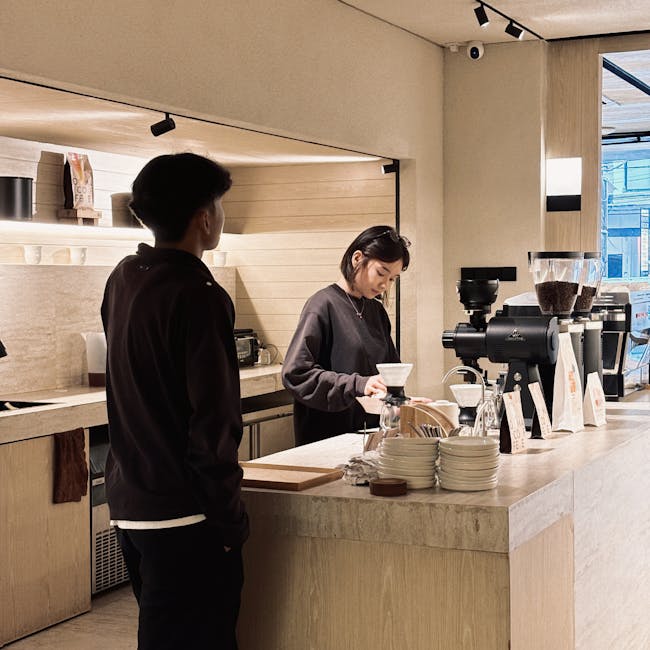
Ultimate Guide to Coffee Brewing Methods: Brew Your Perfect Cup
Coffee is more than just a drink; it’s a ritual, a lifestyle, and for many, a ritualistic escape that bolsters our mornings. But what elevates a good cup of coffee to a great one? The answer often lies in the brewing method you choose. In this Ultimate Guide to Coffee Brewing Methods, we’ll explore various techniques, equipment, and tips to help you craft your perfect cup. So grab your favorite mug and let’s dive into the rich, aromatic world of coffee!
Why the Brewing Method Matters
Before we deep dive into the different methods, it’s essential to understand why brewing methods matter so much. Each technique extracts flavors and acids in different ways, impacting the overall taste, aroma, and body of your coffee. Factors such as water temperature, brew time, and grind size can dramatically alter your coffee’s profile.
Common Coffee Brewing Methods
Let’s take a closer look at some of the most popular coffee brewing methods featured in our Ultimate Guide to Coffee Brewing Methods.
1. Drip Coffee Maker
Drip coffee makers are ubiquitous in homes and offices. They’re simple to use—just add coffee grounds and water, and let the machine do the work. Typically, they brew anywhere from 4 to 12 cups of coffee simultaneously.
Tips for Brewing:
- Use a medium grind for optimal extraction.
- Clean your machine regularly to prevent build-up, which can affect flavor.
2. French Press
The French Press, or press pot, is a popular choice among coffee enthusiasts for its rich flavor profile. It allows oils and fine particles from the coffee to remain in the brew.
How to Brew:
- Use coarsely ground coffee; a 1:15 coffee-to-water ratio works well.
- Add hot water (just below boiling) and steep for about 4 minutes.
- Press down the plunger and pour into your favorite mug.
Pros and Cons:
- Pros: Full-bodied cup, easy to use.
- Cons: Sediment in the cup, requires more cleaning.
3. Pour Over
Pour over coffee has gained popularity for its ability to control brewing variables carefully. Equipment like the Hario V60 or Chemex allows for precise extraction.
Brewing Steps:
- Start with a medium-fine grind.
- Use a gooseneck kettle for better control while pouring.
- Wet the grounds and let them bloom for 30 seconds, then pour evenly over the coffee.
Why It’s Great: This method emphasizes clarity of flavor, making it ideal for showcasing high-quality beans.
4. Espresso Machine
Espresso is the foundation of many coffee drinks like lattes and cappuccinos. This method uses pressure to extract coffee, resulting in a concentrated shot with crema on top.
Tips for Crafting Great Espresso:
- Use finely ground coffee and tamp it evenly.
- Make sure your machine is correctly calibrated for temperature and pressure.
Challenge: It may take time to master, but the results are well worth the effort!
5. Cold Brew
Cold brew coffee is perfect for hot summer days. Unlike traditional brewing methods, cold brew steeps coarsely ground coffee in cold water for an extended period (usually 12 to 24 hours).
How to Brew:
- Combine coffee grounds with cold water at a 1:4 ratio.
- Let it steep in the fridge, then strain through a filter.
Why Drink Cold Brew? It’s less acidic and can be enjoyed straight or with milk and sweeteners.
6. AeroPress
The AeroPress is a favorite for many due to its versatility and portability. It combines the principles of both espresso and French press.
To Use:
- Use medium-fine ground coffee and a 1:15 ratio.
- Heat your water to around 200°F, pour, stir, and steep for about 10-30 seconds.
- Press down gently to extract.
Why It Stands Out: Quick, easy, and consistently makes great coffee, whether enjoyed black or with milk.
FAQs
Q: Does grind size really matter?
Absolutely! Grind size affects extraction rates, which can alter flavor. Finer grinds extract faster, while coarser grinds can result in under-extraction if brewed too swiftly.
Q: What’s the perfect water temperature for brewing coffee?
Ideal brewing temperatures typically range from 195°F to 205°F. Too hot can scald your coffee, while too cold won’t extract enough flavor.
Q: Should I use filtered water?
Yes! Filtered water improves the taste of your coffee by removing impurities that can affect flavor.
Q: How long should I steep coffee?
Steeping time can vary; however, pour over typically takes about 2-4 minutes, while French press is around 4 minutes. Experiment to find what you prefer!
Conclusion
Your coffee journey is unique, and the brewing method you choose can significantly affect the experience. This Ultimate Guide to Coffee Brewing Methods has outlined a variety of ways to prepare your coffee, from classic drip machines to artisanal methods like pour over and AeroPress.
Explore the options, try different beans, and don’t hesitate to experiment to discover what you enjoy the most. Whether you prefer a robust French press or a smooth cold brew, the perfect cup of coffee is out there waiting for you. Happy brewing!
